Arts & Entertainment
The Rise of Chicago's Queer Country Music Scene: ‘Country Music is the People’s Music’
Iris Marlowe grew up in a small Illinois town listening to old school country artists like Johnny Cash and Sonny James, but also idolized pop divas like Gwen Stefani, Britney Spears and Beyonce.
So, it wasn’t much of a surprise when her own music began to sound as if it lived somewhere between those two worlds. The main difference between Marlowe’s artistry and mainstream country music, however, is the intended audience.
The singer/songwriter says she creates music for “alternative gothic gays” and desribes her sound as: “if Stephen King wrote country music.”
“I took my eccentricities and just went with it,” said Marlowe, whose themes, while queer-centered, lean into classic country tropes such as civil rights and the fight for the everyday person to be properly represented, which she says largely resonates with a queer audience.
“There are a lot of negative stereotypes with country music if you’re looking for it, but there are a lot of people who are bringing new narratives to the front and bringing new sounds, and making a space available for people who didn’t feel like they belonged before,” Marlowe said.
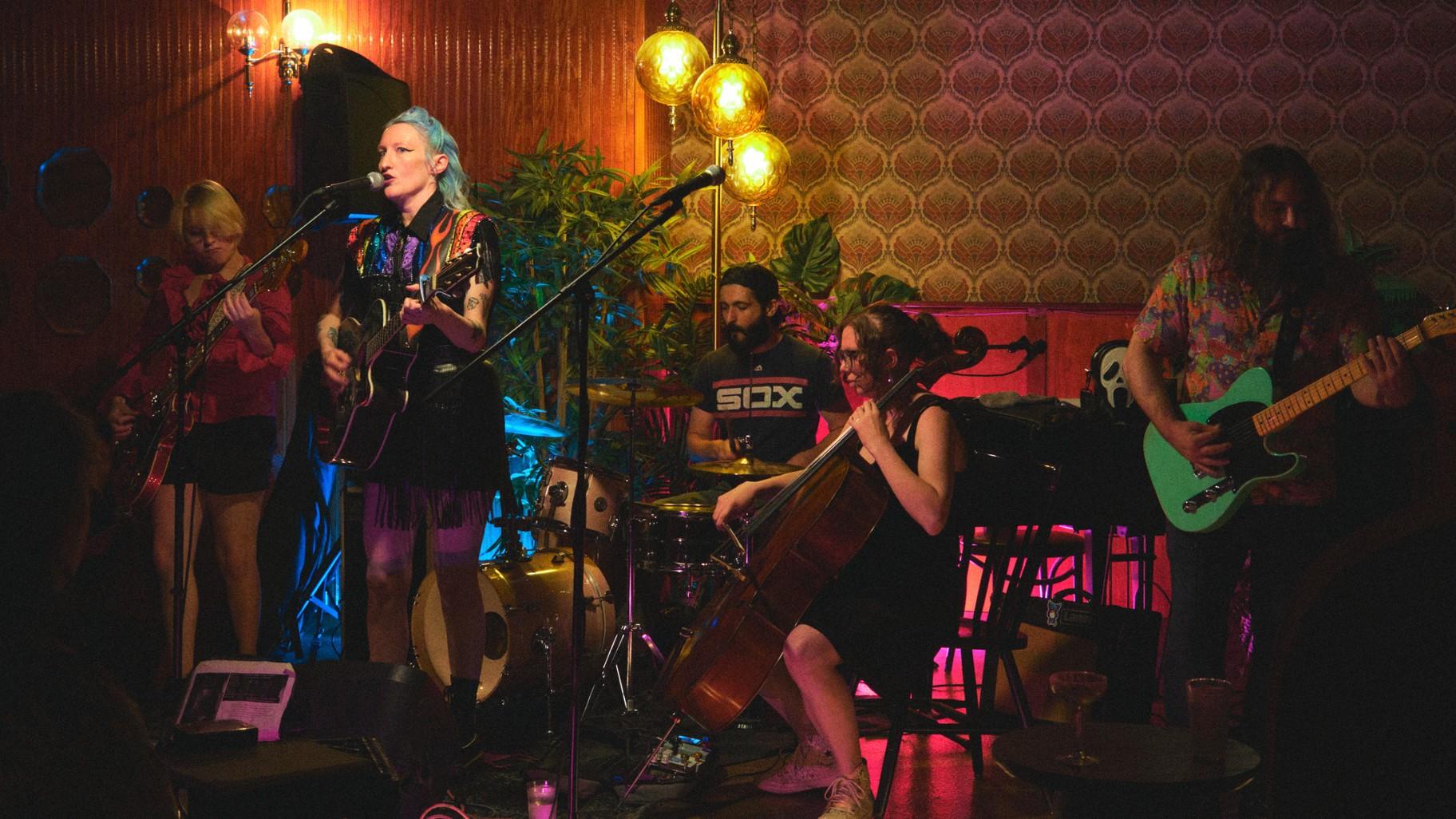 Iris Marlowe performs. (Credit: Austin Handler)
Chicago is currently at the center of a queer country renaissance with acts like Marlowe, Andrew Sa and #QueerCountry Bandwagon taking center stage.
The midwest metropolis is called home by many other small town transplants who found a love for country music at an early age but ultimately felt like outsiders in their communities, explains Northwestern University journalism professor Richelle Gordon, who’s also a founding member of #QueerCountry Bandwagon.
“Country music is the people’s music,” said Gordon. “It is not elite or fancy.”
Chicago is often forgotten in the history of country culture in the shadow of Nashville, but WLS’ National Barn Dance radio show broadcasted its variety show of country and folk music before the Grand Ole Opry’s conception.
“There are so many artists in this space who are making great music who are gender or sexuality non-comforming, and they’re making great music not usually dealing with the same subject matter played on country radio,” said Gordon.
Gordon boasts that Chicago has a reputation of being one of the “queerest cities in the world” in part because younger LGBTQ-identifying people can afford to live here unlike other gay havens like New York City or San Francisco.
The queer country spectacle is on full display during Swappin’ Boots, the popular two-step night for Chicago’s LGBTQ+ community hosted by Queer Social Club.
“It’s all about making spaces that are accessible for everyone. The work I do is about place-making,” said Queer Social Club founder Alexis Stein.
The first Swappin’ Boots took place in February of last year not long after the founding of QSC.
Stein isn’t sure why the event has become such a hit, but she thinks it has something to do with the animated imagery around cowboy culture.
“I do think that the aesthetic has always been out there, very flamboyant,” said Stein. “It’s also about reclaiming music.”
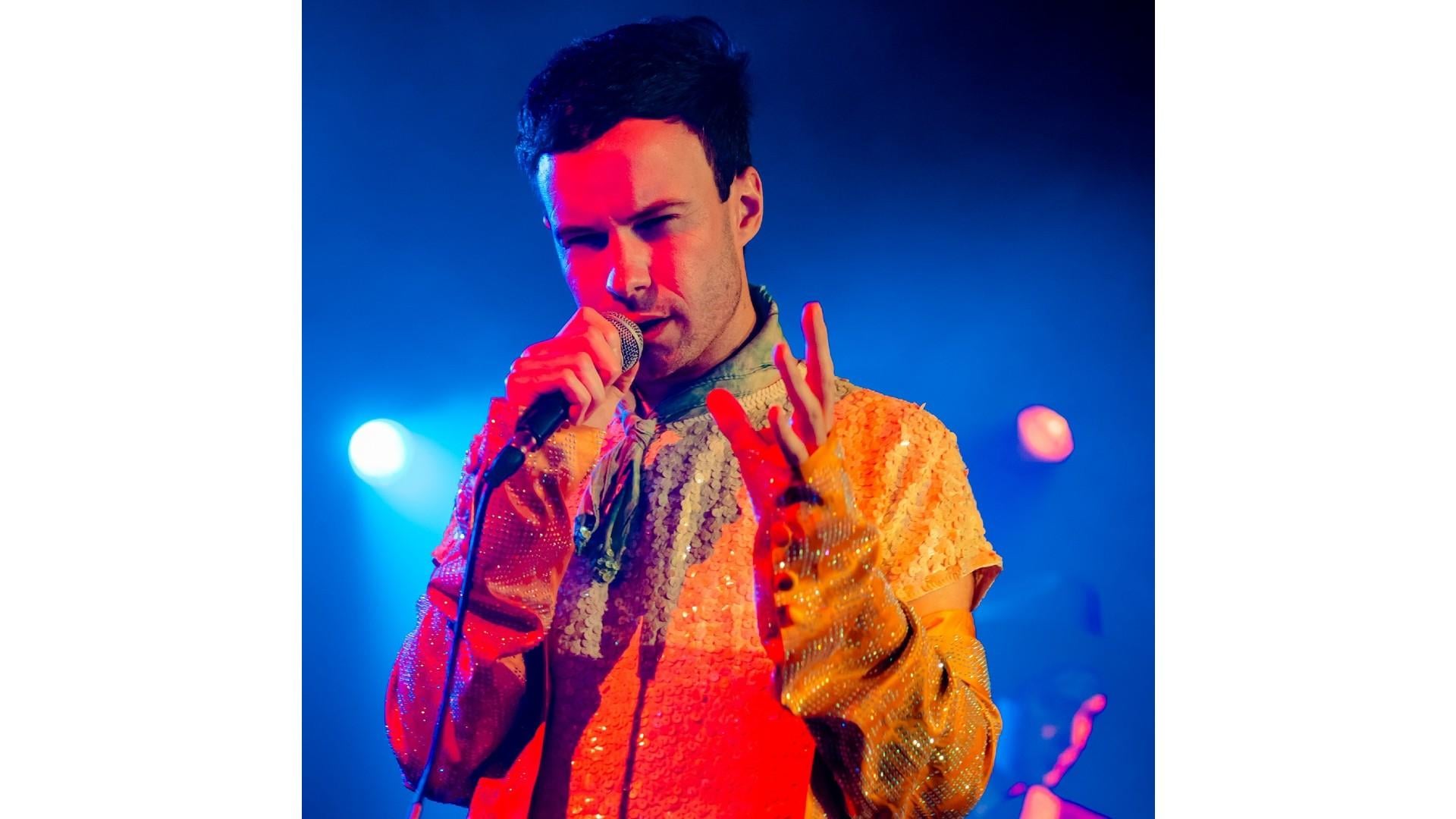 Andrew Sa performs. (Credit: Sarah Elizabeth Larson)
Chicago’s resident queer country crooner Andrew Sa has performed at Swappin’ Boots as well as other similar events across the nation. He says that through his travels he’s found that there’s a large desire for queer country music in all corners.
“Gender roles are such a big part of country music and its history, and queer people like to mess with that,” said Sa.
Sa grew up in San Jose, California, with a mom who was also a singer that loved country music. He fell in love with the genre too, emulating great female vocalists like Patsy Cline and Loretta Lynn. “I really like to give people the opportunity to get emotional, let it out, cry a little,” he said. “I think that’s what the crooner lends.”